Negative air machines
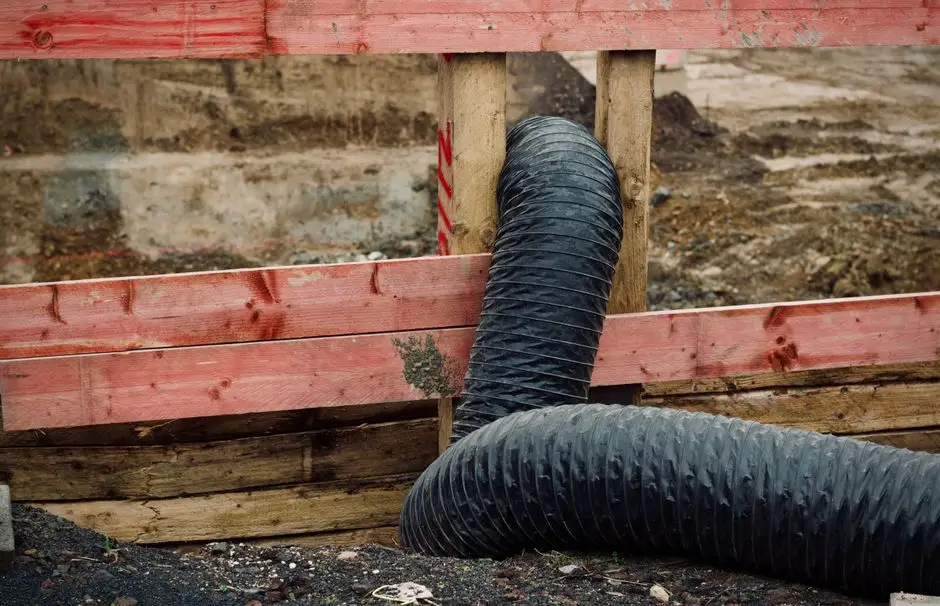
We connect these to the main trunk to pull the entire system into negative pressure. That keeps loosened debris traveling toward our HEPA vacuum instead of into your living room. Every post-construction job starts with this step.
HEPA vacuums
HEPA filtration captures particles down to 0.3 microns, which includes drywall dust and silica. We run Abatement Technologies HEPA units on every job. A shop vac without HEPA filtration just blows the fine dust back into the air.
Rotary brush systems
Rotobrush rotary brushes scrub the caked layer of drywall dust off sheet metal duct walls. We use soft nylon heads on sheet metal and gentler heads on flexible ductwork so we do not tear the liner. Every branch line gets a pass.
Air whips and compressed air tools
Air whips knock debris loose from corners and seams that a brush cannot reach. We run them from the furthest register back toward the trunk so the debris travels in one direction. Compressed air tools handle the blower compartment and coil.
Duct inspection cameras
Cameras show us what is actually inside the ductwork before we start. We look for disconnected flex lines, crushed sections, mold growth, and pest intrusion. The footage goes into your documentation packet.
Blower doors
A blower door reading tells us whether the system is moving the air volume it should. Construction can leave ducts crushed or disconnected. If the numbers are off after cleaning, we look for the problem and quote the repair.
Foggers and sanitizing solutions
After the debris is out, a fogger distributes an EPA-registered sanitizing solution through the duct interior. That step knocks down mold spores, bacteria, and musty odors. We can skip it if you prefer a dry clean.